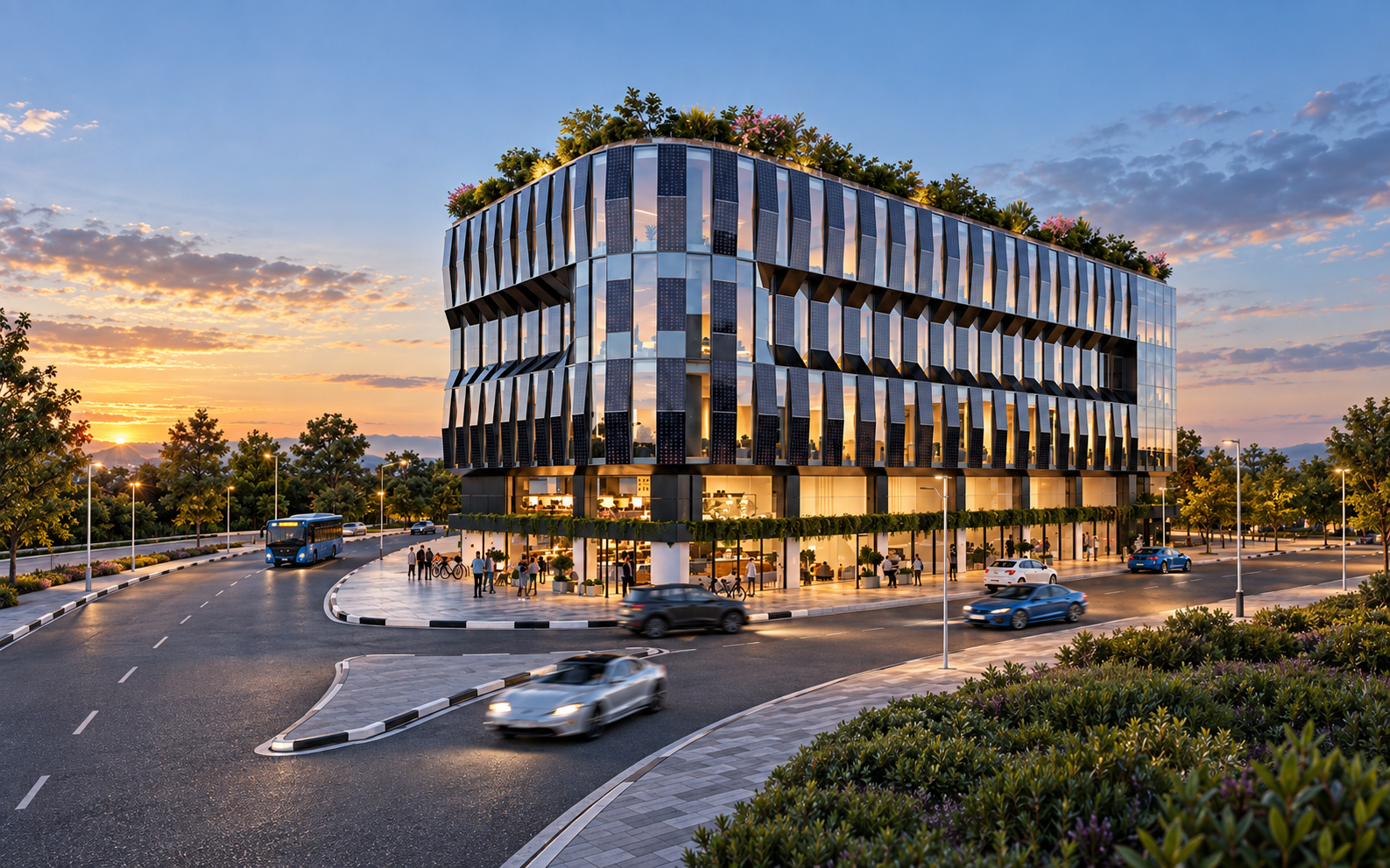
Four core technical requirements shaped the decision to choose Augenium:
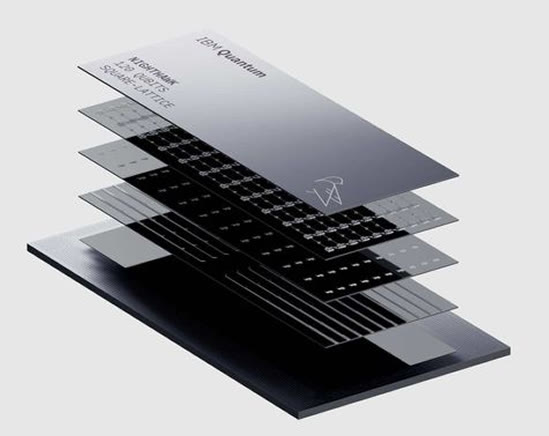
- Thermal management and reliability — Augenium’s Thermal Management Junction Box prevents hotspot formation and reverse current, extending module lifespan and ensuring long-term performance. This was critical for a retrofit where future maintenance access is constrained.
- Environmental protection — IP68 water resistance protects against moisture ingress in all-weather conditions.
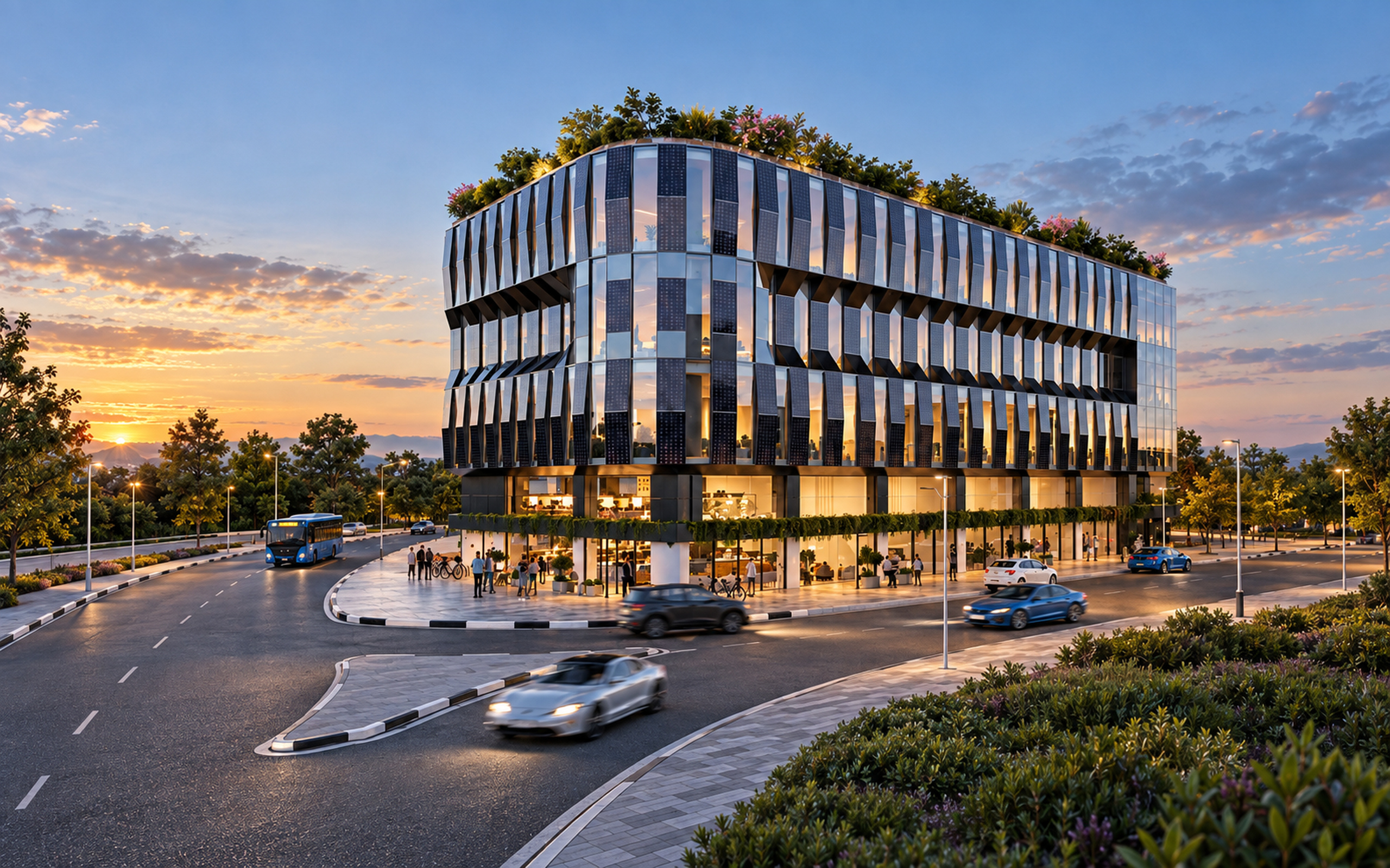
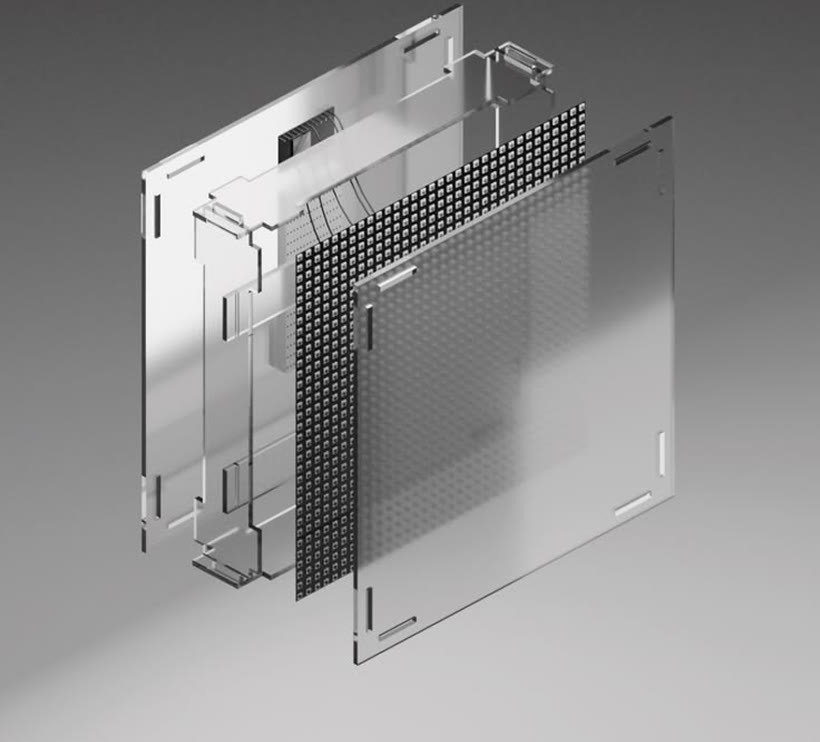
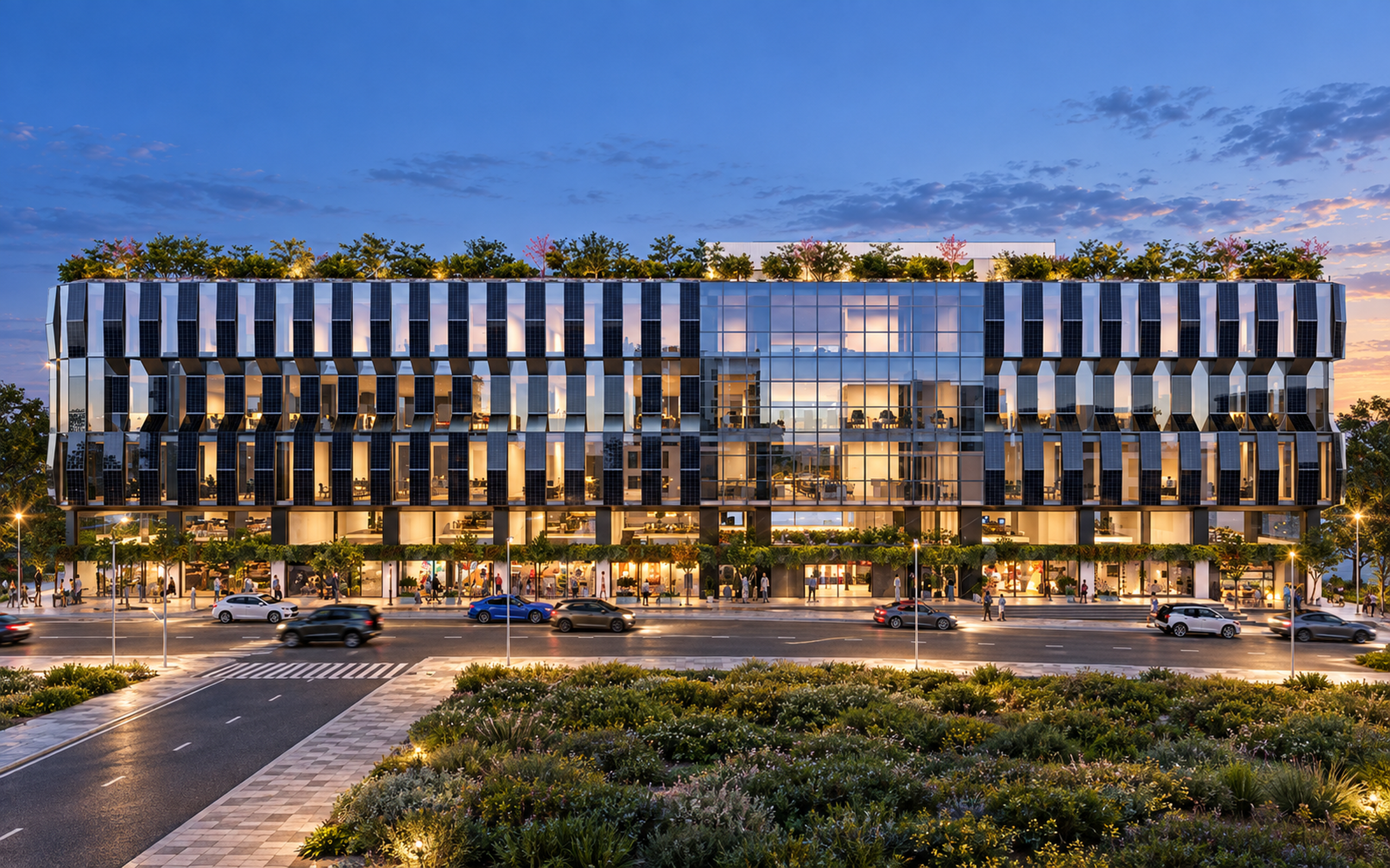
- Bespoke integration — Project-specific sizing aligns with the existing façade and roofing systems without structural compromise.
- Compliance and certification — EN 13501-1: A2-s1, d0 and AS1530.3 fire ratings meet the building’s safety requirements.
The 169 kW system will generate approximately 139 MWh of electricity annually, helping offset the building’s operational energy demand.
Rio Business Centre will show how Augenium turns constrained retrofit envelopes into active, energy-generating assets — demonstrating BIPV’s role where traditional rooftop solar isn’t viable, integration risk must be minimised, and architect-led design remains the guiding principle.