

Wp/m2
Energy Generated
202 m2
Total Surface Area
AURE Glazing

Copyright © 2026 Augenium trading as ClearVue All rights reserved

Copyright © 2026 Augenium trading as ClearVue All rights reserved
Copyright © 2026 Augenium trading as ClearVue All rights reserved

Copyright © 2026 Augenium trading as ClearVue All rights reserved
Wp/m2
Energy Generated
202 m2
Total Surface Area
Area Size
System Size
Savings in CO₂ Per Year
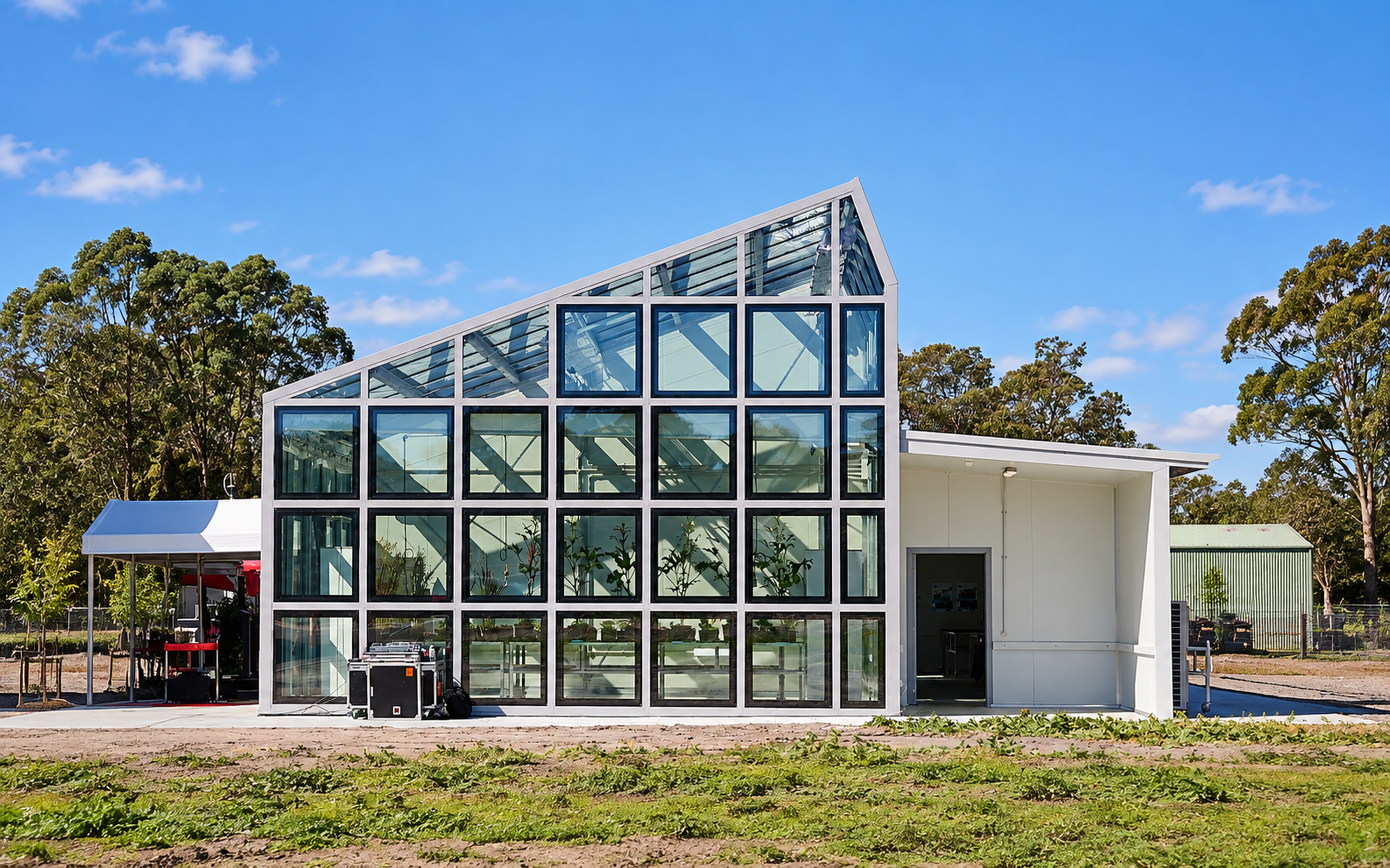
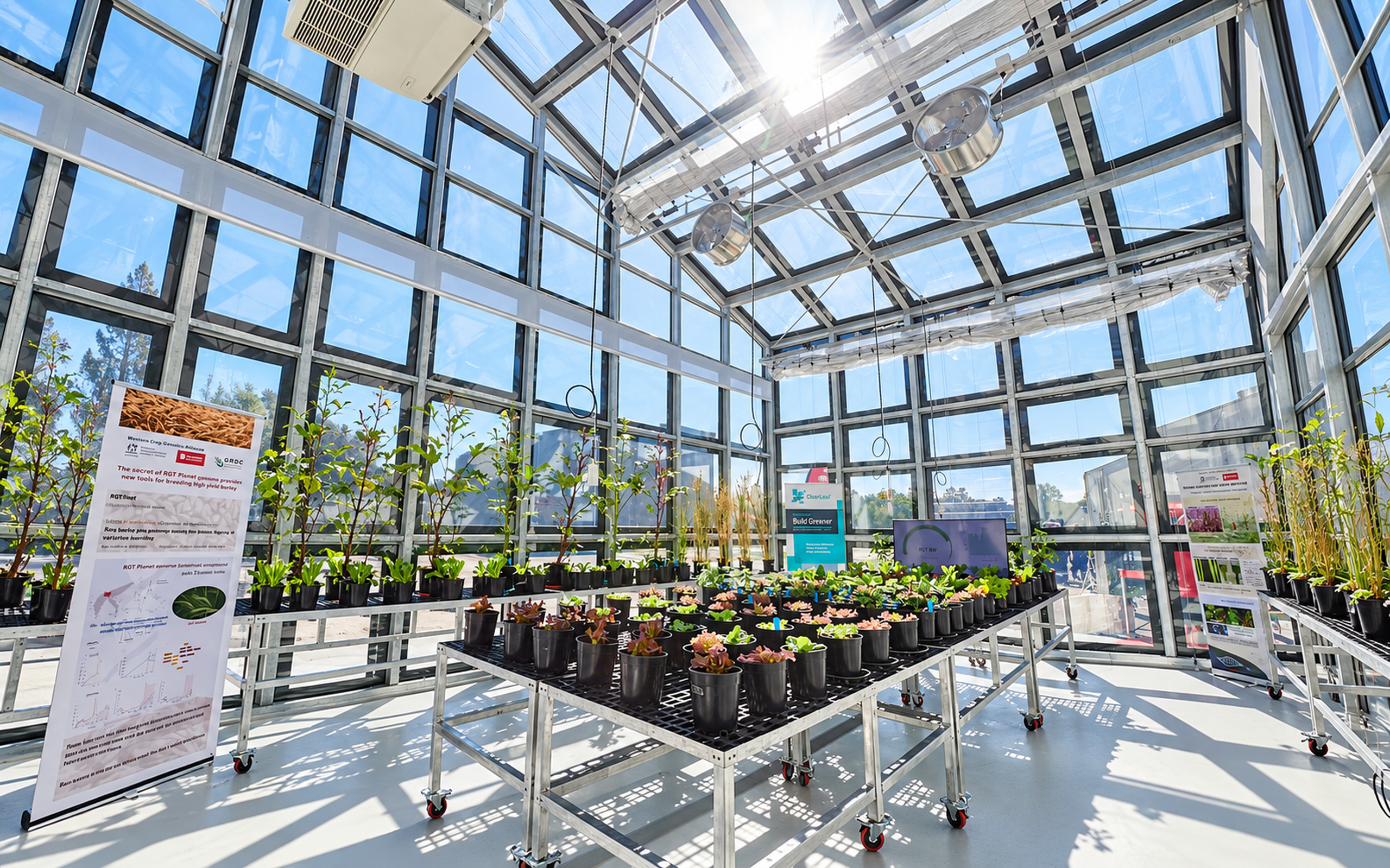
Located at Murdoch University in Perth, Western Australia, Augenium’s world-first AURE Glazing Grow Room was developed as a commercial-scale technology demonstrator for the application of photovoltaic glazing in protected-cropping agriculture.
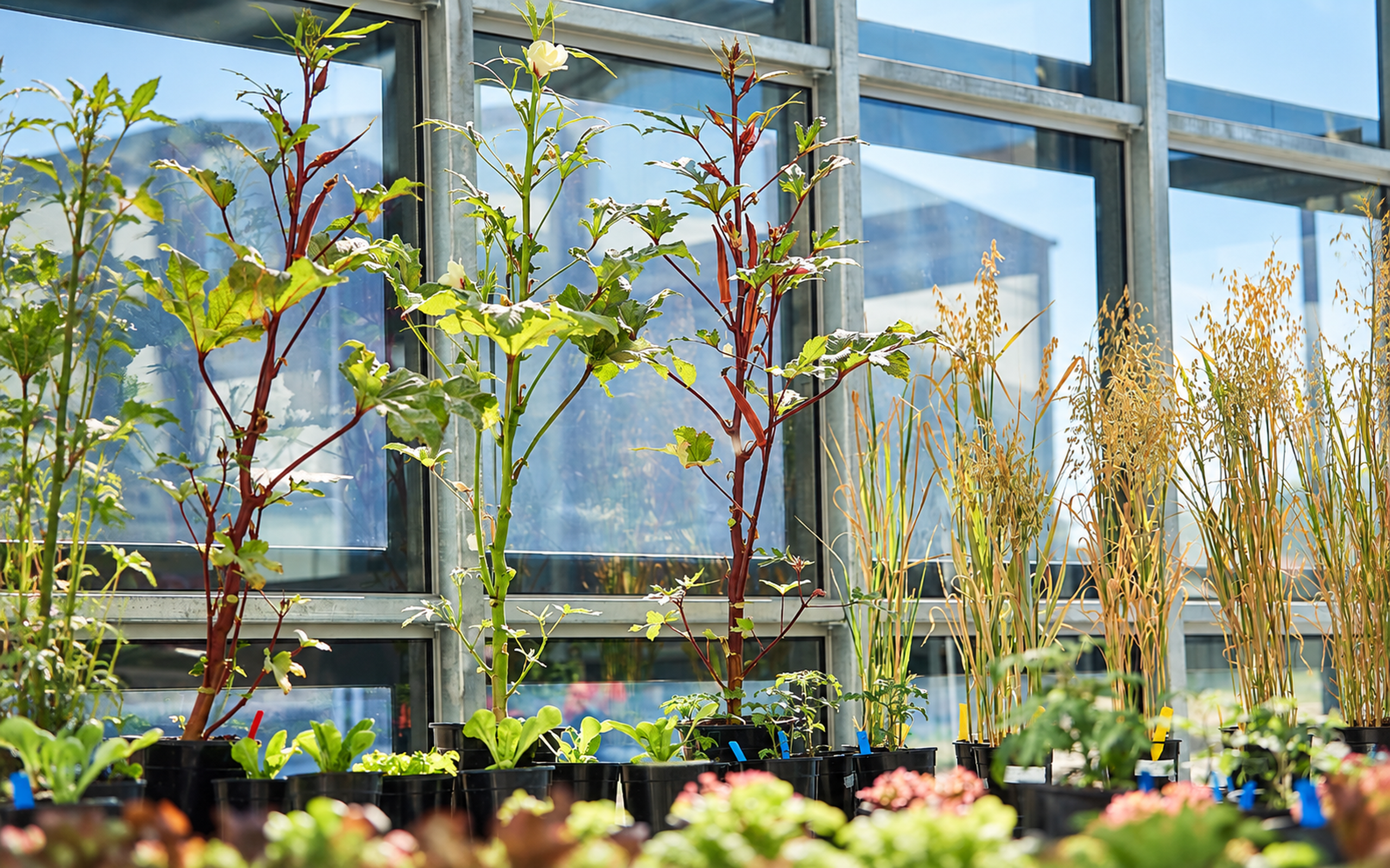
Completed and officially opened in April 2021, the 202 m² facility combines AURE Glazing with a controlled growing environment designed to support research into the relationship between solar glazing, light conditions and plant growth. The facility incorporates a network of sensors that capture real-time environmental data, including temperature, humidity and the amount of light reaching plants.
The project was partially funded through a $1.6 million Australian Government AusIndustry Cooperative Research Centres Projects (CRC-P) grant and constructed by Blanc. Construction. Augenium partnered with Murdoch University, with plant research led by Professor Chengdao Li and his team to investigate the effectiveness of the Augenium glazing within a controlled growing environment.
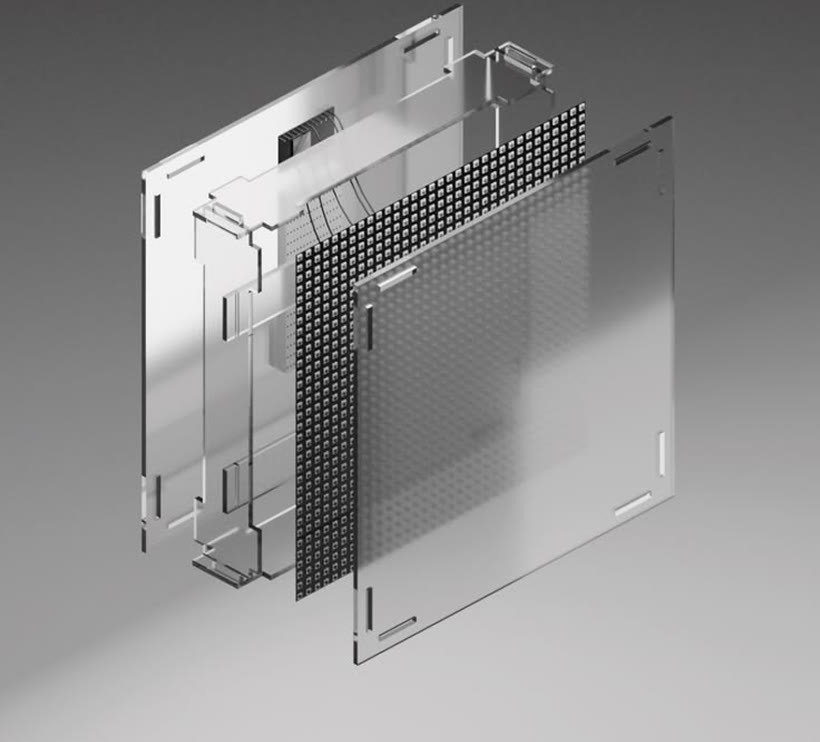
Unlike conventional greenhouse glazing, Augenium’s technology integrates photovoltaic generation into transparent glass, creating an opportunity to combine the functions of a greenhouse envelope and renewable energy system. The project was designed to demonstrate this potential in a real-world agricultural setting while maintaining the light conditions required for plant growth.
To achieve its goals the University chooses to work with industry and society partners as a priority. The collaboration with Augenium is an important example that leverages its research expertise.Professor Chris Hutchison, Director Research & Innovation, Murdoch University
For Augenium, the Grow Room represents an important technology milestone and a practical demonstration of its AURE Glazing beyond conventional architectural applications. It provides a platform for research, testing and industry engagement while showcasing the potential for BIPV to support more energy-efficient protected-cropping environments.